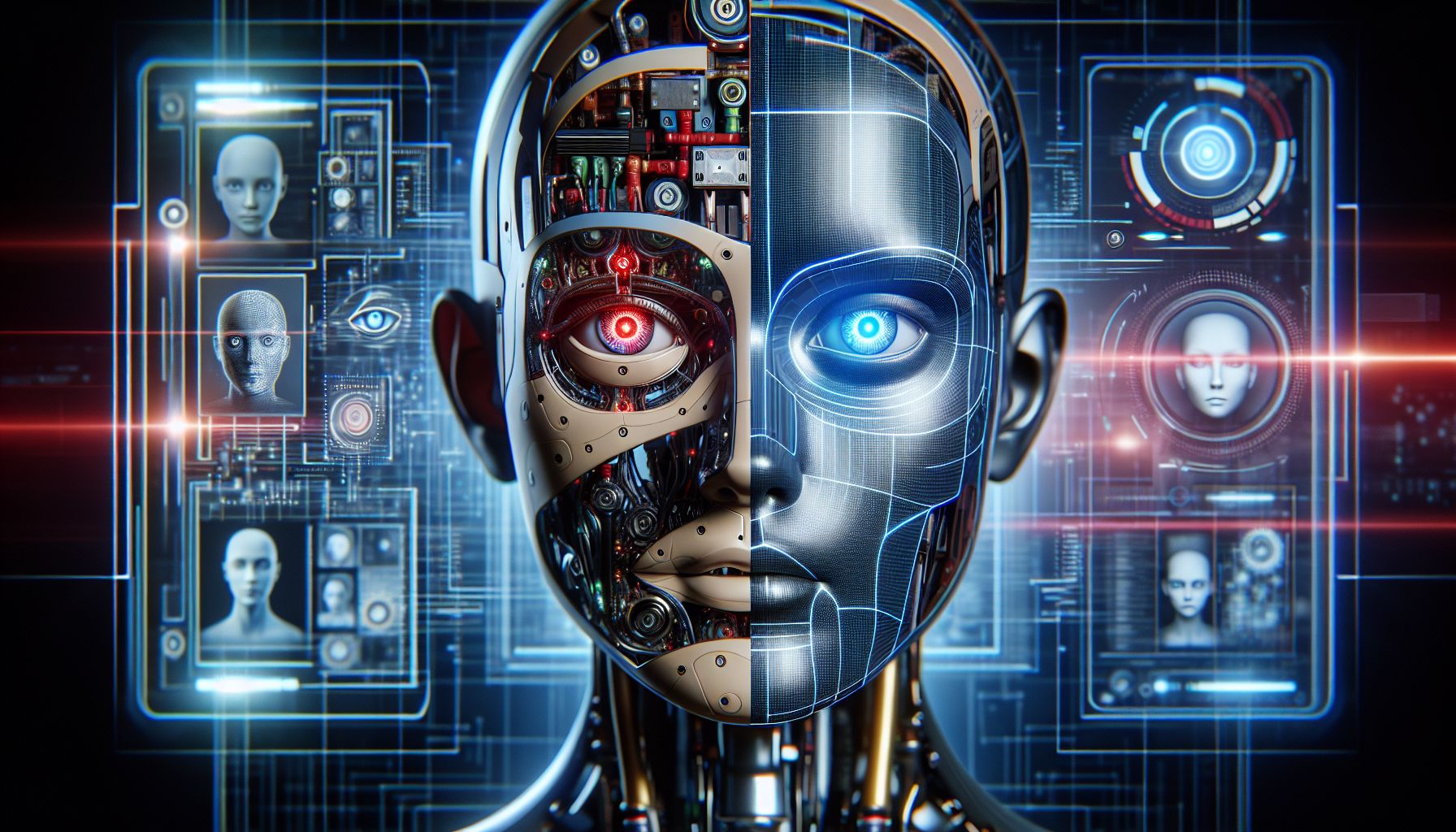
We’re drowning in a constant stream of code and “disruptive innovation” talk, but something way more interesting is happening behind closed doors at major AI companies. Intelligent machines are finally starting to understand human emotions. I know it sounds like science fiction, but this is actually happening in labs right now.
The Heartbeat of Metal Minds: Artificial Emotional Intelligence
Sure, we’ve all heard about AI-generated art, self-driving cars, and Amazon recommendations. But emotional AI is different. These machines are built to understand and process human emotions. When you combine Affective Computing with Natural Language Processing, you get machines that don’t just compute—they actually get what we’re feeling.
How Machines Learn Emotions
Emotional AI works by training machine learning models on massive datasets of real human behavior. We’re talking vocal inflections, facial expressions, text sentiment, even physiological signals like heart rate. The real breakthrough is combining Convolutional Neural Networks for video analysis with Recurrent Neural Networks that excel at processing sequences. The result? AI that “feels” every emotional beat just like we do.
These computational models are becoming genuine mind-readers. Companies like Affectiva and Beyond Verbal are leading the charge with innovations in emotional responses and voice biometrics that will define how we interact with machines in the future.
Industrial Revolution: Emotional Intelligence Edition
Look, tech experts might argue that these emotional interactions are still imperfect. But the progress is undeniable. Industries from automotive to customer service to mental health apps are jumping headfirst into emotion-aware technologies.
In the Pocket of the Automotive Industry
Imagine your car not just getting you from point A to point B, but actually reading your stress levels or excitement. A system that understands your mood could make better navigation decisions and create genuinely safer, more empathetic transportation. We’re not just talking about better GPS routes—this is about cars that care.
Similarly, AI-powered customer service tools might completely change how call centers operate, making interactions more human despite being more automated.
Healing Tech: Emotional AI in Healthcare
Apps like Woebot and Replika are already out there, offering therapeutic conversations and companion-like feedback. This is just the beginning. Emotional AI could revolutionize personalized healthcare by providing more nuanced, empathetic support exactly when patients need it most.
Challenges Aplenty: Ethical Questions We Can’t Ignore
But here’s where things get complicated. The rise of emotionally intelligent machines brings serious concerns about data privacy and personal autonomy. Who controls this technology? What happens to our most intimate emotional data?
We need regulations fast. The potential for misuse is enormous unless we implement strict transparency requirements and robust consent protocols. The ethical implications of machines that can read our emotions are staggering, and frankly, we’re not prepared for them yet.
Towards a Not-So-Distant Future
The reality is that emotional AI will fundamentally change how we interact with technology. We’re looking at a world where machines don’t just process our commands—they understand our feelings. That’s both exciting and terrifying.
The question isn’t whether this technology will advance. It’s whether we’ll have the wisdom to guide its development responsibly. Because once machines truly understand human emotion, there’s no going back.