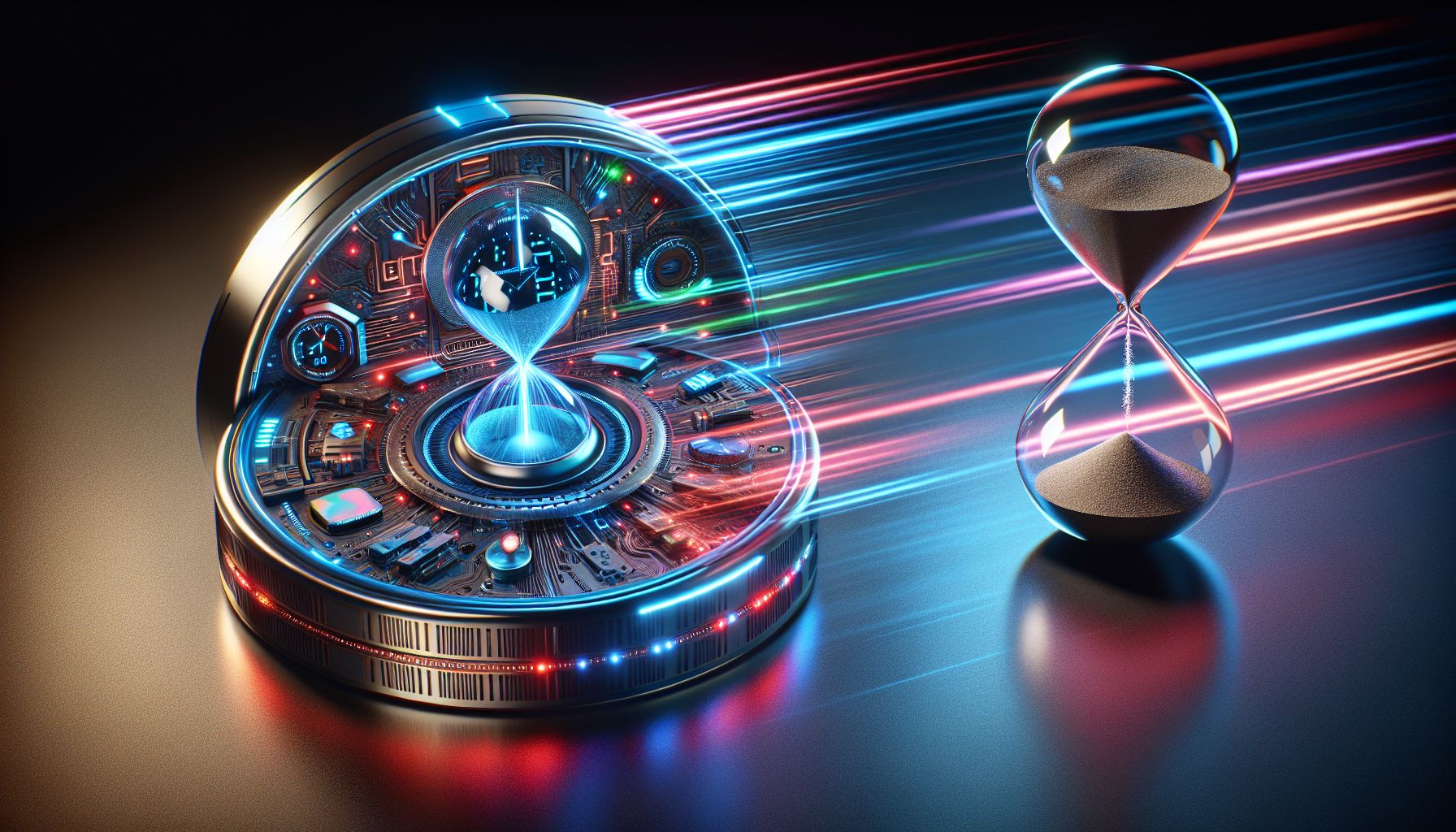
Racing Time with Atomic Precision: The Next Generation of Clock Technology

Hey tech enthusiasts! Today, I’m excited to explore something that sounds boring but is actually mind-blowing—atomic clocks. I know what you’re thinking: clocks are the most mundane topic imaginable. But hear me out. This isn’t your kitchen wall clock we’re talking about. We’re looking at a technology that’s about to change everything from GPS to space exploration. Atomic clocks aren’t just telling time anymore; they’re completely redefining what precision means.

Timekeeping Gets Atomic

So what exactly is an atomic clock? Simply put, these devices use vibrations of atoms to measure time with incredible accuracy. We’re talking about clocks so precise they would lose only one second over 300 million years. That’s hard to wrap your head around. The older models used cesium atoms, but scientists are now working with ytterbium, which offers even better precision. If accuracy were a superpower, these things would be the Superman of timekeeping.

Why Should You Care About Precision Time?

You’re probably wondering who needs time measured that precisely. Fair question! But the applications are actually pretty wild. GPS navigation, data centers, and high-frequency trading all depend on extremely accurate timing. Picture GPS systems that could track your location down to centimeters, or financial markets executing trades with microsecond precision. Then there’s quantum computing and secure communications, which need this level of timing accuracy to function properly. It’s cooler than it sounds, I promise.

The Challenges: It’s Not All Perfect Timing

Of course, this technology comes with serious challenges. Building these clocks isn’t something you do in your garage over the weekend. The research and development costs are astronomical. You need specialized facilities, teams of brilliant physicists, and budgets that would make your eyes water.

The equipment is expensive, finicky, and definitely not portable. I imagine the technicians babying these things like they’re caring for newborns. Plus, there are regulatory hurdles since some atomic clocks involve radioactive materials. The paperwork alone would intimidate most companies.

Future Outlook: Where This Tech is Heading

Here’s where things get interesting, though I’ll admit I’m speculating a bit. As researchers figure out how to make these clocks smaller and cheaper, we’ll start seeing them everywhere. The miniaturization happening now could lead to atomic timing chips in everyday devices.

Everyone’s tired of hearing about the Internet of Things, but imagine if all our connected devices had atomic-level timing precision. Your smart home could coordinate actions with perfect synchronization. Self-driving cars could communicate with split-second accuracy.

And then there’s space exploration. NASA and other agencies are working on atomic clocks for spacecraft navigation. When you’re flying past Jupiter, you need to know exactly where you are. These clocks could make interplanetary travel much more precise and safer.

The Final Word: Why Their Ticks Matter

Look, I’ll be honest. Some of the academic debates around atomic clock precision get pretty esoteric. Scientists arguing over nanosecond improvements that most of us will never notice. But the practical applications are genuinely exciting.

From better internet synchronization to more accurate scientific experiments, atomic clocks are quietly becoming the backbone of our high-tech world. We’re living through a timing revolution, and most people don’t even realize it’s happening.

So next time someone mentions atomic clocks, don’t roll your eyes. This technology is shaping how we navigate, communicate, and explore the universe. It turns out that in our interconnected world, perfect timing isn’t just nice to have. It’s absolutely essential.

a New Age of Healthcare: Artificial Intelligence in Medicine

Hey tech aficionados! Have you heard about the latest mind-boggling strides in healthcare tech thanks to our silicon-powered comrades? Yes, I’m talking about Artificial Intelligence in Medicine! We’ve all seen AI dip its toes in other fields—crafting chatbots like linguists, conquering games, or even daydreaming cars into self-driving fleets—but the real marvel is watching it revolutionize healthcare right before our eyes. Let’s dive into how this symphony of code and neurons is reshaping our health industry and patient care.

The AI Revolution in Diagnosis

So, there I was, gripping my over-priced latte in one hand and scrolling my feed with the other, when a headline caught my eye: AI is diagnosing diseases with higher accuracy than top healthcare professionals. Cue spit-take, right? Turns out, algorithms can now parse through massive amounts of patient data from X-rays to MRIs and spot subtle patterns human eyes might miss. DeepMind, for instance, partnered with Moorfields Eye Hospital to develop an AI that detects eye diseases with incredible precision.

Picture this: you slide into an appointment, and instead of an intimidating gurney covered by sterile white coats, you’re greeted with integrated systems that boost a doctor’s expertise. It’s like having a capable Watson at your side that’s 90% sure your RSI is carpal tunnel based on those hundreds of thousands of images it’s analyzed. Color me impressed!

AI as a Personal Health Consultant

Consider Joe—the not-so-unreal example I made up—he’s just your standard fitness tracker-wearing, health-conscious guy who religiously tracks his vitals using a wearable device. Today, these investments pay off with breakthrough AI health apps built right into his smartphone. Each subtle anomaly, each dip or fluctuation in his data, can trigger a consultation before he even Googles his symptoms.

No longer confined to sci-fi tropes or futuristic novels, AI now personally assists everyday users through predictive analytics. You’ve got apps predicting episodes for chronic illness sufferers or suggesting life-saving routines tailored just for you. That’s custom, proactive healthcare without us dodging the bank account rupture typically associated with such luxuries!

Tackling Drug Discovery

Anyone who’s kept their finger even remotely on the pulse knows that traditional drug development means trudging through massive piles of compounds at astronomical costs. Timescales often stretch within a decade and raise investor stress levels higher than late-night caffeine binges—an endeavor not everyone exits unscathed.

Introduce machine learning into the mix, and dozens of testing years shrink into days. Letting computers handle preliminary screening cuts through unworkable candidates like a hot knife through butter. We’re left with computationally optimized options with real promise for trials, all moving faster than ever before!

The highlight for me? Companies like Insilico Medicine are bent on discovering new medicines in record time. They’re finding treasures where previous researchers hit brick walls.

Revolutionizing Radiology

Let’s talk about radiologists for a second. These professionals are getting AI assistants that provide instant analysis without the looming late nights grinding through endless scans. The workflow optimization is real, and it’s happening now.

Sure, some radiology skeptics worry about automation taking over. But the reality is more nuanced. AI enhances what radiologists do rather than replacing them entirely. It’s about augmenting human expertise with computational power that never gets tired or distracted.

The contrast is striking. Smart systems bend the curve on diagnostic speed while medical professionals maintain the critical thinking and patient interaction that makes healthcare human. It’s a partnership that’s already showing results.

The Ethics and Challenges Ahead

As exciting as these innovations are, we can’t ignore the elephant in the room. Who’s accountable when AI makes a mistake? How do we ensure data privacy when algorithms need massive datasets to learn? These aren’t just technical problems—they’re fundamental questions about how we want healthcare to work.

The regulatory landscape is scrambling to catch up. We need frameworks that protect patients while allowing innovation to flourish. It’s a delicate balance, and honestly, we’re still figuring it out. The stakes are high because we’re talking about people’s lives and health.

Conclusion: Our Healthy Technological Journey

Look, I won’t pretend this transformation is simple or that everything will work perfectly from day one. But the potential here is massive. We’re looking at a future where early detection becomes the norm, where personalized treatment isn’t just for the wealthy, and where medical breakthroughs happen in months instead of decades. That’s worth getting excited about, even if we’ve got some serious challenges to work through along the way.

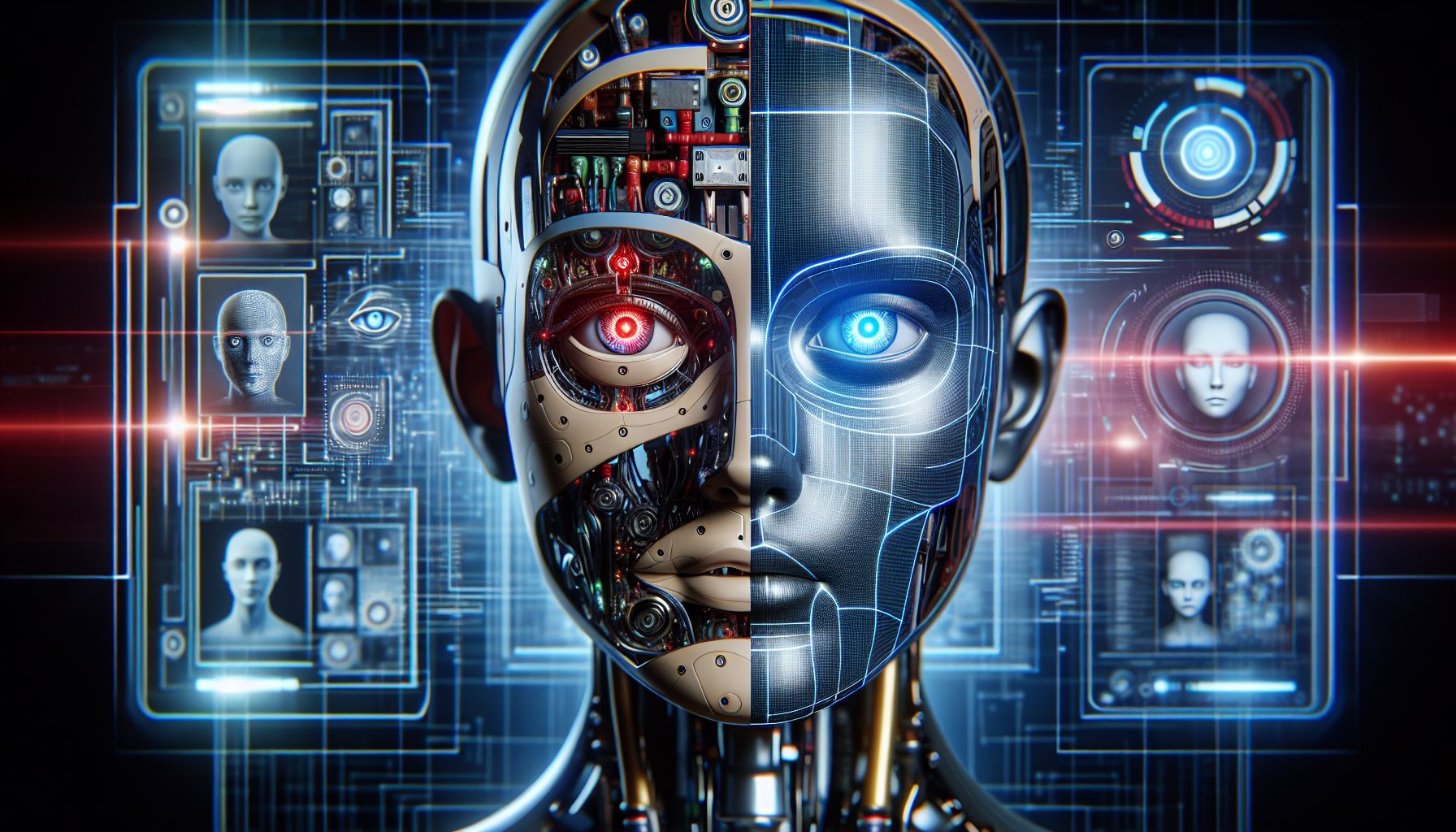
#Unveiling the Language of Androids: AI-Powered Emotion Recognition

We’re drowning in a constant stream of code and “disruptive innovation” talk, but something way more interesting is happening behind closed doors at major AI companies. Intelligent machines are finally starting to understand human emotions. I know it sounds like science fiction, but this is actually happening in labs right now.

The Heartbeat of Metal Minds: Artificial Emotional Intelligence

Sure, we’ve all heard about AI-generated art, self-driving cars, and Amazon recommendations. But emotional AI is different. These machines are built to understand and process human emotions. When you combine Affective Computing with Natural Language Processing, you get machines that don’t just compute—they actually get what we’re feeling.

How Machines Learn Emotions

Emotional AI works by training machine learning models on massive datasets of real human behavior. We’re talking vocal inflections, facial expressions, text sentiment, even physiological signals like heart rate. The real breakthrough is combining Convolutional Neural Networks for video analysis with Recurrent Neural Networks that excel at processing sequences. The result? AI that “feels” every emotional beat just like we do.

These computational models are becoming genuine mind-readers. Companies like Affectiva and Beyond Verbal are leading the charge with innovations in emotional responses and voice biometrics that will define how we interact with machines in the future.

Industrial Revolution: Emotional Intelligence Edition

Look, tech experts might argue that these emotional interactions are still imperfect. But the progress is undeniable. Industries from automotive to customer service to mental health apps are jumping headfirst into emotion-aware technologies.

In the Pocket of the Automotive Industry

Imagine your car not just getting you from point A to point B, but actually reading your stress levels or excitement. A system that understands your mood could make better navigation decisions and create genuinely safer, more empathetic transportation. We’re not just talking about better GPS routes—this is about cars that care.

Similarly, AI-powered customer service tools might completely change how call centers operate, making interactions more human despite being more automated.

Healing Tech: Emotional AI in Healthcare

Apps like Woebot and Replika are already out there, offering therapeutic conversations and companion-like feedback. This is just the beginning. Emotional AI could revolutionize personalized healthcare by providing more nuanced, empathetic support exactly when patients need it most.

Challenges Aplenty: Ethical Questions We Can’t Ignore

But here’s where things get complicated. The rise of emotionally intelligent machines brings serious concerns about data privacy and personal autonomy. Who controls this technology? What happens to our most intimate emotional data?

We need regulations fast. The potential for misuse is enormous unless we implement strict transparency requirements and robust consent protocols. The ethical implications of machines that can read our emotions are staggering, and frankly, we’re not prepared for them yet.

Towards a Not-So-Distant Future

The reality is that emotional AI will fundamentally change how we interact with technology. We’re looking at a world where machines don’t just process our commands—they understand our feelings. That’s both exciting and terrifying.

The question isn’t whether this technology will advance. It’s whether we’ll have the wisdom to guide its development responsibly. Because once machines truly understand human emotion, there’s no going back.

Pros and cons of Chime Credit Cards

The Chime Credit Builder Visa Security Card works well for people who are just starting to build credit, don’t have much credit history, or are recovering from past credit mistakes. If you’re young and need to establish credit early on, this card can help. But here’s the thing – don’t go crazy and apply for multiple cards at once. Use this one smartly and actually learn how to control your spending habits.

chime credit card

Like any secured card, the Chime Credit Builder has its ups and downs. Some of these quirks actually make it stand out from other options. Let me break down what you’re getting into:

Pros: The rewards are actually decent for a secured card. You can earn up to 2% cashback on purchases, which beats most secured cards that offer zero rewards. They also throw in some monthly freebies. You can use these rewards as cash deposits or convert them to air miles.

Cons: Here’s where it gets a bit annoying. You won’t see those reward points unless you pay your full balance. No partial payments, no rewards. Also, the way they calculate cash back percentages can be confusing compared to regular credit cards.

Pros: The application process is straightforward and doesn’t discriminate against people with thin credit files. You can apply online, and since it links directly to your bank account, the whole process moves faster. Using the Chime app alongside the credit card makes everything easier to track.

Con: Wait, this is confusing. The card actually has NO foreign transaction fees, which should be a good thing. But the original text seems mixed up here – having no foreign transaction fees is definitely a benefit, not a drawback. Most cards charge 2-3% for international purchases.

Pros: The chime credit card offers a low APR, so you won’t get hammered with high interest charges or late fees. You’ll spend less on interest compared to many other credit cards. Plus, you get a legitimate credit card number. Most secured cards start you off with a small credit limit, but that’s normal since these cards typically have lower APRs to offset the risk.

Cons: The spending management tools aren’t great. If you already have good credit, this might not matter much. But if your credit score needs work, the limited spending controls could be frustrating. You’ll still have a spending limit like any credit card. The real issue is that you can’t use your savings account the same way you would with a regular credit card. However, if you already have a solid savings account set up, this limitation becomes less of a problem. Overall, the benefits outweigh the drawbacks with Chime credit cards.

Credit Sesame Reviews – Who’s Afraid of the Vantagescore?

Financial experts pretty much agree that you need to know your credit history before applying for any sort of credit. Makes sense if you want to improve your score. Thing is, tons of companies now claim they can tell you your credit rating. Credit Sesame is one of these companies, with its own Credit Sesame program. Here’s what I found about how their services actually work.

credit sesame reviews

|

credit sesame reviews

Credit Sesame Reviews – Who’s Afraid of the Vantagescore?

Financial experts pretty much agree that you need to know your credit history before applying for any sort of credit. Makes sense if you want to improve your score. Thing is, tons of companies now claim they can tell you your credit rating. Credit Sesame is one of these companies, with its own Credit Sesame program. Here’s what I found about how their services actually work.

First, you sign up for a free account. You’ll need your social security number, birth date, address, phone numbers, and probably your most recent pay stubs. To check your score at least twice a year, you register for the credit sesame service. Pretty straightforward process. You fill in the info and you’re ready to check your report.

After you register, you’ll notice they offer lots of monitoring options. Some send alerts through email or text messages. Others call you or send emails. Most credit report providers don’t offer email or phone support though. So you get to pick what kind of monitoring you actually want to use.

Once you’ve signed up and checked your score, credit monitoring services pop up as another option. This gives you regular reports about your credit status and solutions to prevent theft. Since you’re already signed up, you only make one payment per month for all the services credit sesame provides. That’s why you see so many ads about credit monitoring, and you should really do your own research on credit sesame reviews.

Here’s the deal with credit sesame’s monitoring options. They offer two types. The free service lets you see your score and report problems if something looks fishy. But it only lets you check three reports each month. Want more access to your score and report? You can choose the paid service which gives unlimited users access to check your report.

There’s also a completely free service called the credit monitoring service. Perfect for people who don’t obsess over their score and just want to know what’s happening with their finances. This service gives you full details on the three main credit bureaus: Equifax, TransUnion, and Experian. The catch? The free version only lets you check one report each month.

Both services have their pros and cons. The free credit monitoring usually only lets you view your score once a year. You can’t order a credit repair kit or get a credit report online. The paid service lets you view your report whenever you want while ordering other credit repair tools and personal information tools like a credit bureau lookup, FICO score calculator, and more. This gives you a complete, current picture of your financial health.

Here’s something important: the vantagescore is different from the FICO score. Lenders use FICO scores to figure out if you’re creditworthy based on your credit report. Low vantagescore means you’re considered high risk. To get a better FICO score, you need to improve your credit profile through things like debt settlements and debt consolidation. So pick the vantagescore that actually fits your financial needs.