The S-Tier Revolution: Character.AI’s Unprecedented Engagement Metrics
The numbers tell a story that traditional gaming executives are still struggling to wrap their heads around. Users spend an average of two hours daily on Character.AI, beating even TikTok’s notorious time-on-platform metrics. This isn’t casual scrolling or mindless consumption. We’re talking about deep, sustained engagement with AI personalities that users have formed genuine emotional connections with.
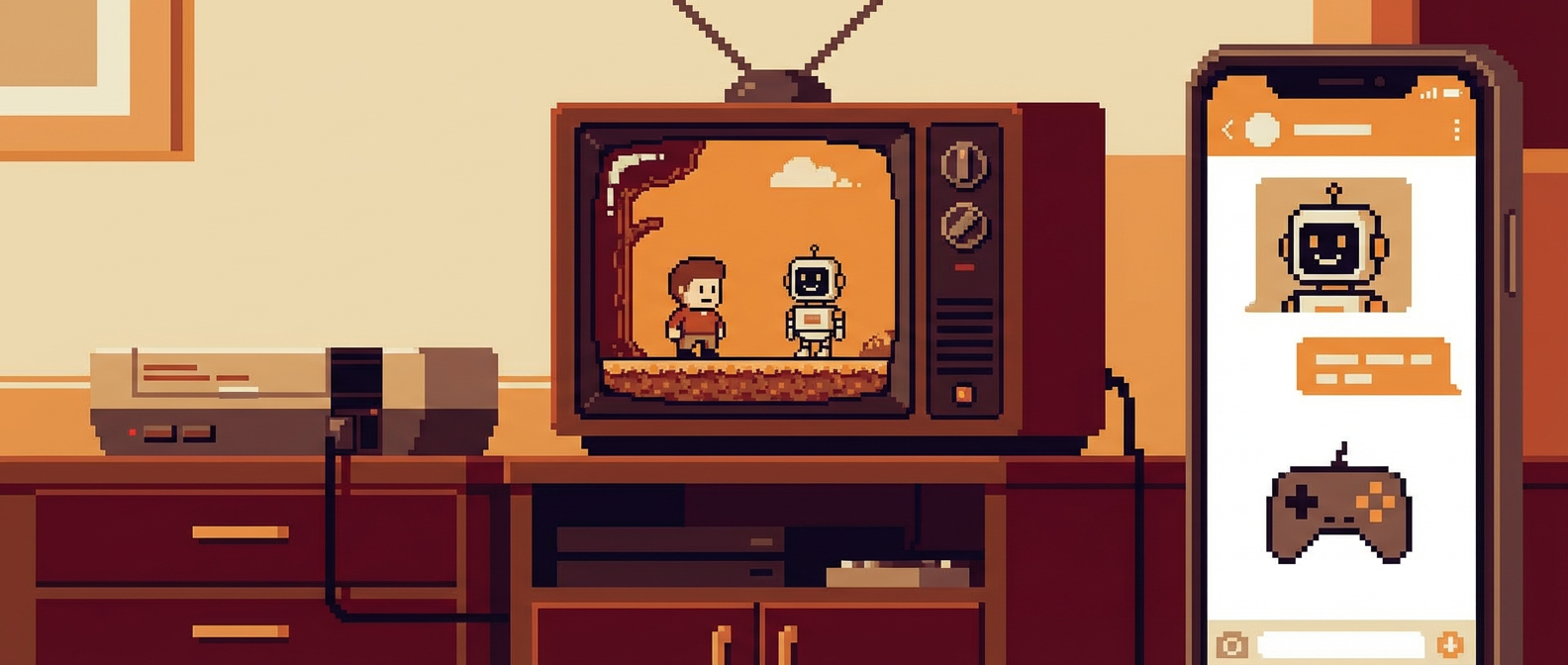
Critics argue this engagement reflects unhealthy parasocial relationships rather than meaningful entertainment value. They’re completely missing what’s actually happening here. These platforms have cracked the code on personalized, responsive entertainment that adapts to individual users in real-time. That two-hour average isn’t addiction, it’s proof of a medium that finally delivers on the promise of truly interactive storytelling.
The financial numbers back up the staying power. AI companion applications pulled in over five hundred million dollars in annual revenue across platforms in 2025, proving that users will pay premium prices for experiences that traditional gaming monetization models can’t touch. This isn’t some fleeting trend. This is how entertainment value gets created and consumed now.
A-Tier Impact: Therapeutic Gaming and Mental Health Applications
Replika users consistently report real reductions in social anxiety and feelings of isolation through regular chats with their AI companions. We’re looking at legitimate mental health support systems here, not just casual entertainment. Traditional therapy costs hundreds of dollars per session and you’re lucky if you can get an appointment within weeks. AI companions? They’re available 24/7 with zero judgment.
Mental health professionals initially wrote these apps off as digital band-aids that could never replace human connection. But they missed the point entirely. Users aren’t looking for replacement human relationships, they want supplemental emotional support that helps them handle daily stress better. Think of the AI companion as emotional training wheels that often help people improve their real-world social interactions.
Here’s what really matters: scalability. One AI system can simultaneously help millions of users without waitlists, geographic barriers, or insurance headaches. This opens up emotional wellness tools in ways that traditional healthcare systems simply can’t match.
B-Tier Concerns: Regulatory Challenges and Youth Usage Patterns
Congressional hearings about teenage usage of Character.AI raise some valid points about emotional dependency during crucial developmental years. Lawmakers worry that young users might swap AI relationships for developing actual human social skills. These concerns deserve attention, but they sound more like general tech anxiety than specific AI companion problems.
The regulatory response feels like déjà vu. Comic books would corrupt children. Video games would create killers. Social media would fry attention spans. Every new entertainment medium gets this treatment before society figures out healthy boundaries and how to actually use it properly.
Smart safeguards and age-appropriate design make sense, but they’re not existential threats to the medium. The AI companion platforms that succeed will get ahead of these concerns with thoughtful user experience choices and honest communication about healthy usage. Regulatory oversight will probably make the industry stronger by setting clear rules everyone can follow.
A-Tier Innovation: Persistent NPCs and AAA Studio Integration
Game developers are now building persistent AI NPCs that remember every conversation across multiple gaming sessions, creating continuity in virtual relationships we’ve never seen before. This tech turns traditional gaming narratives from scripted experiences into actual collaborative storytelling between players and AI characters. Every conversation changes future interactions, building narrative depth that linear storytelling just can’t touch.
Companies like Inworld AI NPC platform and Convai handle the heavy technical lifting for AAA studio integration. These B2B solutions manage the complex challenges of getting conversational AI working inside existing game engines. Studios can focus on the creative stuff while using proven AI personality frameworks.
Traditional game writers first saw AI NPCs as job threats. The smart developers realize these tools multiply creativity by letting writers build personality frameworks and dialogue templates that AI systems expand into endless conversational possibilities. Human creativity plus AI responsiveness creates richer character interactions than either approach manages alone.
S-Tier Potential: The Future of Interactive Entertainment
AI companion gaming is entertainment’s natural next step toward truly personalized, responsive experiences that adapt to individual user preferences and emotional states. Traditional media stays fundamentally passive, while AI companions create active collaboration between user and system. Think about the shift from passive TV watching to interactive gaming, but with way more personalization.
AI companions integrating into broader entertainment ecosystems will define the next decade of interactive media. Streaming services will have AI personalities that discuss shows with you. Gaming platforms will feature AI teammates that develop unique playing styles based on how you play. Social media will evolve beyond human-to-human interaction toward collaborative content creation with AI.
Skeptics fixate on current limitations while missing the trajectory toward increasingly sophisticated AI personalities capable of deeper emotional intelligence and creative collaboration. The technology improves exponentially while user adoption shows clear demand for more personalized, responsive entertainment. AI companion gaming sits right at the intersection of these trends.
What aspects of AI companion integration do you think will have the biggest impact on traditional gaming genres? The conversation about personalized entertainment versus standardized experiences keeps evolving as these technologies mature and find their place in our entertainment world.