The Persistence of Player-Driven Creation
Fifteen years after its release, The Elder Scrolls V: Skyrim is still going strong. Not because Bethesda keeps updating it or released a sequel, but because players won’t let it die. The game’s modding community has created over one hundred thousand modifications, changing everything from weather systems to entire questlines. Basically, they’ve turned one game into thousands of different gaming experiences. This isn’t some weird outlier either. It’s the clearest example of something that’s quietly become one of the biggest forces in modern game design.
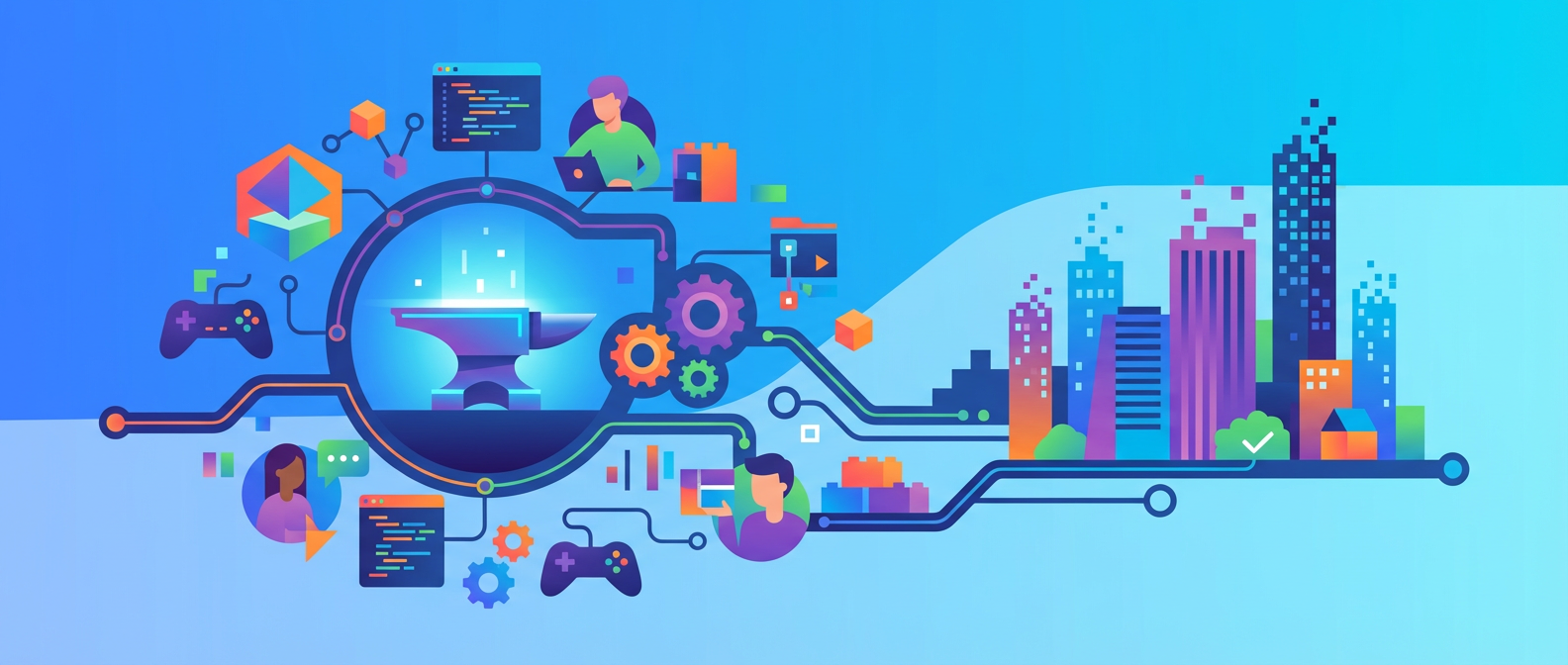
What’s happening here goes way deeper than people tweaking a few game files. These communities work like collaborative writing projects that go far beyond what the original creators ever imagined. They’re essentially running free-form game design experiments, testing mechanics, narratives, and visual systems that commercial studios could never try within normal development cycles. The result? A kind of digital folk art that keeps games alive long after they’ve stopped making money.
The Scale of Community-Driven Innovation
The numbers here are honestly pretty wild. Minecraft’s modding community alone gets billions of downloads every year. That’s player investment that puts most mainstream entertainment to shame. This isn’t weekend hobby stuff either. It’s serious creative work that often matches professional development in both scale and quality. Platforms like Nexus Mods and CurseForge mod platform have turned into full development environments, complete with version control, user feedback systems, and collaboration tools that mirror what professional software developers use.
These platforms do more than just distribute files. They’re basically design schools where future developers learn through trial and error and community feedback. Today’s sophisticated mods often look and play better than many commercial releases, which proves that passionate communities can achieve incredible things when you give them proper tools and infrastructure. It really makes you question the whole idea that the best innovation comes from corporate studios with massive budgets.
Commercial Recognition and the Monetization Paradox
The gaming industry has completely changed how it thinks about modding as companies finally realize the economic and creative value these communities generate. Steam Workshop’s success as a platform for mod distribution has created real revenue streams while legitimizing modding as creative work that deserves compensation. Companies are finally admitting that community creativity often beats official development in both innovation and player engagement, which forces them to rethink their role as gatekeepers of their own properties.
But here’s where it gets messy. This commercialization creates weird tensions within modding communities that have always operated outside normal market constraints. When you introduce paid mods and official partnerships, you start asking uncomfortable questions about fan creativity and whether money helps or hurts the collaborative spirit that makes these communities work. Some of the most groundbreaking mods happen precisely because their creators don’t have to worry about commercial viability, letting them try experimental approaches that would be way too risky for traditional studios.
The trick for companies is supporting these ecosystems without destroying what makes them special. The most successful approaches tend to provide tools and infrastructure while respecting the independent culture that drives innovation. Getting this balance right, between support and interference, often determines whether a game develops a thriving modding scene or kills its creative potential with overly restrictive policies.
Legal Territories and Creative Ownership
Fan-made remasters and total conversions have created some really weird legal gray areas where traditional intellectual property concepts just don’t work anymore. When passionate communities completely reimagine abandoned franchises or basically create entirely new games using existing engines, they’re working in a creative space that existing legal frameworks can’t handle. These projects are often the only way players can experience beloved but neglected properties, creating a form of cultural preservation that exists completely outside official channels.
The legal confusion around these projects reflects bigger questions about cultural ownership and whether communities have rights to extend and preserve creative works. While companies obviously want to protect their intellectual property, the reality is that many fan projects keep interest alive in franchises that would otherwise just disappear. The smartest approach is finding ways to legitimize and support these efforts rather than just shutting them down, recognizing that passionate fan communities often understand what makes a property special better than the corporations that own it.
The Professional Pipeline and Creative Legacy
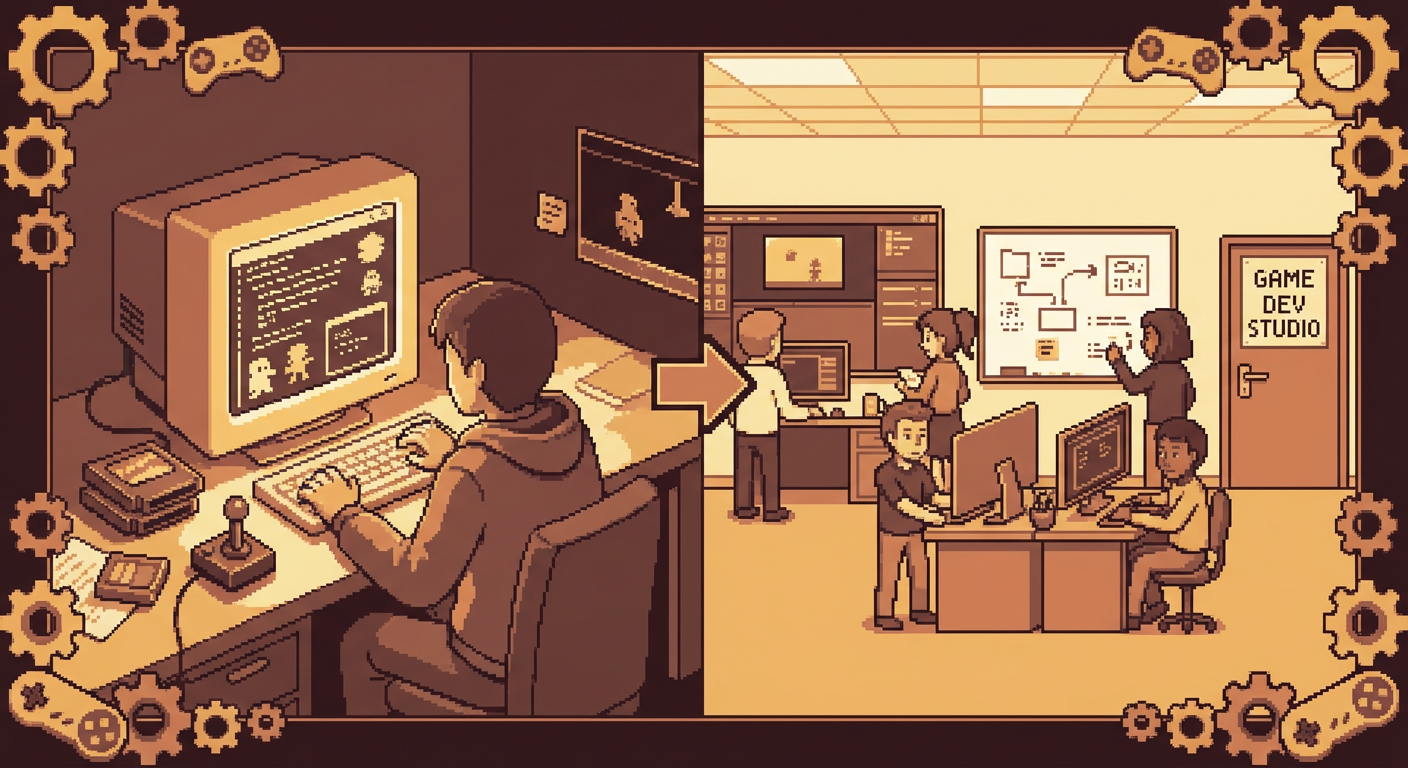
Maybe the biggest long-term impact of modding communities is how they work as informal training grounds for professional game developers. The skills you develop through modding translate directly into industry expertise, creating a pipeline of talent that brings both technical knowledge and deep understanding of player engagement to professional studios. Many of today’s most innovative developers started their careers in modding communities, learning not just technical skills but also the iterative design thinking that characterizes successful game development.
This pipeline effect suggests that modding communities do more than entertain. They work as distributed research and development networks that benefit the entire industry. The experimental approaches and player-focused design philosophy that emerge from these communities often influence mainstream development in subtle but important ways. Ideas that start as community modifications frequently find their way into official releases, creating a feedback loop between grassroots innovation and commercial development.
The longevity of games supported by active modding communities shows something important about interactive entertainment. Unlike films or books, which exist as finished products, games become platforms for ongoing creative collaboration between developers and players. The most lasting titles are those that recognize and embrace this collaborative potential, understanding that their job isn’t just to create entertainment but to provide frameworks for sustained creative expression. As the gaming industry continues to change, the lessons learned from these communities about creativity, collaboration, and long-term engagement will probably prove essential in shaping where the medium goes next.